Ready5:00
pace
Measure with
Breaths0
Minutes0 / 5
Pace6/min
Pace
Length
Your sessions (last-minute RMSSD)
No streak yetNo sessions yet. Your results stay on this device only.
How a session works
- No strap: it is a slow pacer that counts your breaths and minutes. With a chest strap (Chrome on Android, desktop Chrome or Edge) every minute's RMSSD is shown.
- Pick a rate. If you took the resonance test, use your best rate; otherwise start at 6.
- Follow the pen: breathe in as it rises, out as it falls. Keep the breath light, not deep.
- Each finished minute adds a bar with its RMSSD. The panel compares your first and latest minute.
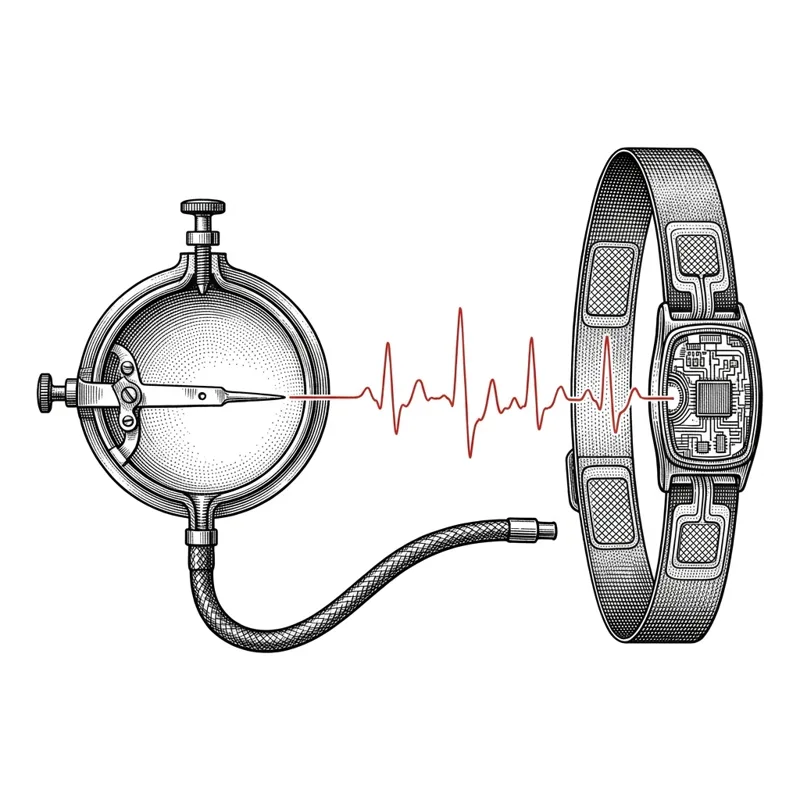
Applied Psychophysiology and Biofeedback 2024
Reviews of slow paced breathing report that HRV rises even when the rate is not individually tested; whether the resonance test adds value is not settled.
Breathe softly; over-breathing can cause tingling or dizziness. Stop if it does. RMSSD here is not a medical measurement. Safety notes
Questions
Can I use it without a strap?
Yes, as a slow pacer. RMSSD needs beat-to-beat intervals, which only a Bluetooth heart-rate strap provides here.
Why RMSSD and not a coherence score?
RMSSD is a standard, simple measure of beat-to-beat change. Coherence scores differ between vendors and are not published in one agreed form.